
Bangkok is renowned for its stunning temples, which offer a glimpse into Thailand’s rich cultural and religious heritage. This guide will help you navigate the city’s most famous temples, understand their historical significance, and provide tips to make your visit enjoyable and respectful. Whether you are a first-time visitor or returning to explore more, Bangkok’s temples are a must-see for anyone interested in history, architecture, and spirituality.
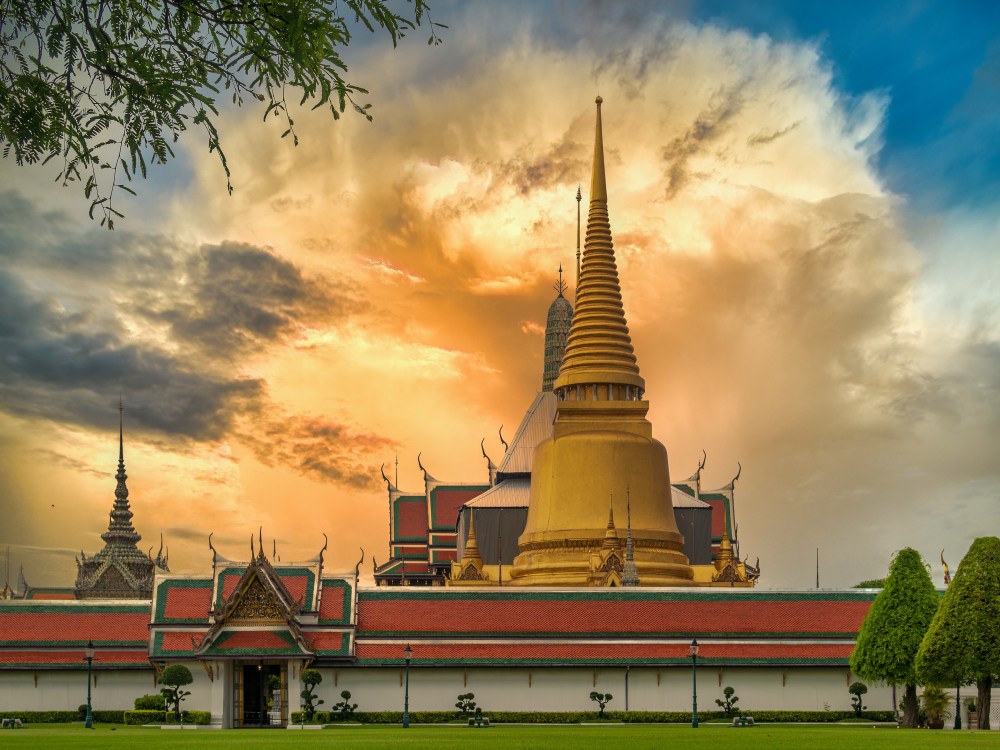
Wat Phra Kaew, also known as the Temple of the Emerald Buddha, is one of Bangkok’s most revered sites. Located within the Grand Palace complex, it houses the Emerald Buddha, a highly venerated statue carved from a single block of jade. Built in 1782, this temple showcases intricate Thai architecture and vibrant murals depicting religious stories. Visitors should dress modestly and remove shoes before entering sacred areas.
Another key temple to visit is Wat Arun, or the Temple of Dawn, famous for its towering spires decorated with colorful porcelain. Situated on the banks of the Chao Phraya River, Wat Arun is particularly spectacular at sunset when its silhouette reflects in the water. The temple dates back to the 17th century and offers visitors a chance to climb its steep central prang for panoramic views of the city.
For those interested in Buddhist meditation and peaceful surroundings, Wat Pho is a must-see. This temple complex is home to the giant reclining Buddha statue, measuring 46 meters long, and is considered the birthplace of traditional Thai massage. Established in the 16th century and extensively renovated in the 18th century, Wat Pho provides insight into Thai religious practices and wellness traditions.
A common question among travelers is what to wear when visiting Bangkok’s temples. The answer is simple: modest clothing is required, which means covering shoulders and knees. Many temples provide shawls or wraps if needed, but it’s best to come prepared. Photography is generally allowed in temple grounds but may be restricted inside certain buildings, so always look for signs or ask permission.
Exploring Bangkok’s temples is not just about sightseeing but experiencing a living culture. Take your time to observe the rituals, offerings, and the daily lives of monks and worshippers. Many temples also have markets or food stalls nearby, allowing you to enjoy local cuisine after your visit. By respecting customs and embracing the spiritual atmosphere, your temple visits will be both memorable and meaningful.
 thethailandguide.com